Barometer 2024: Harmful Practices

| Gender Links
[video width="852" height="480" mp4="https://genderlinks.org.za/wp-content/uploads/2025/03/BARO-2024-HarmPrac.mp4"][/video]
- All SADC constitutions provide for non-discrimination generally and for non-discrimination based on sex and other grounds, i.e. marital status and pregnancy.
- The constitutions of some countries, including Lesotho and Botswana, still allow for discrimination in personal and customary law. Neither Botswana nor Lesotho have been able to conclude a long-awaited and very necessary constitutional review.
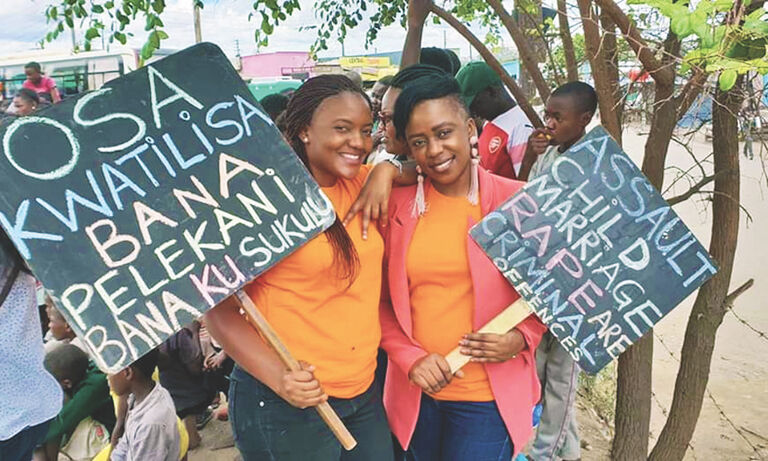
- South Africa opened public comments on 10 April 2024 on a new Marriage Bill, which seeks to bring three existing laws together into one. The new bill enshrines eighteen as the minimum age for all marriages.
- Zambia enacted an amendment to the 1918 Marriage Act, setting the minimum age of marriage to 18 for civil and customary marriages.
- Mozambique, Madagascar and Malawi have some of the highest rates of child marriage in the world (Malawi has the 12th highest prevalence of child marriage globally).
- Tanzania is the only SADC country where female genital mutilation (FGM) is practised widely, concentrated in the six northern regions (out of the country’s 18 regions). All countries need to be vigilant about all forms of FGM.
- Disability discrimination in Africa, which is rooted in deeply held beliefs that often include a supernatural dimension, is highly gendered, with a disproportionate impact on women. In particular, mothers of children with disabilities may be accused of witchcraft or bringing a curse upon the family.
- The Protocol to the African Charter on Human and People’s Rights on the Rights of Persons with Disabilities in Africa, or the African Disability Protocol (ADP), entered into force in August 2024, following ratification by 15 nations, including five in SADC. The ADP has a distinctly African perspective on protecting and promoting the rights of persons with disabilities as compared with the United Nations Convention on the Rights of Persons with Disabilities (UNCRPD).