
About the alliance


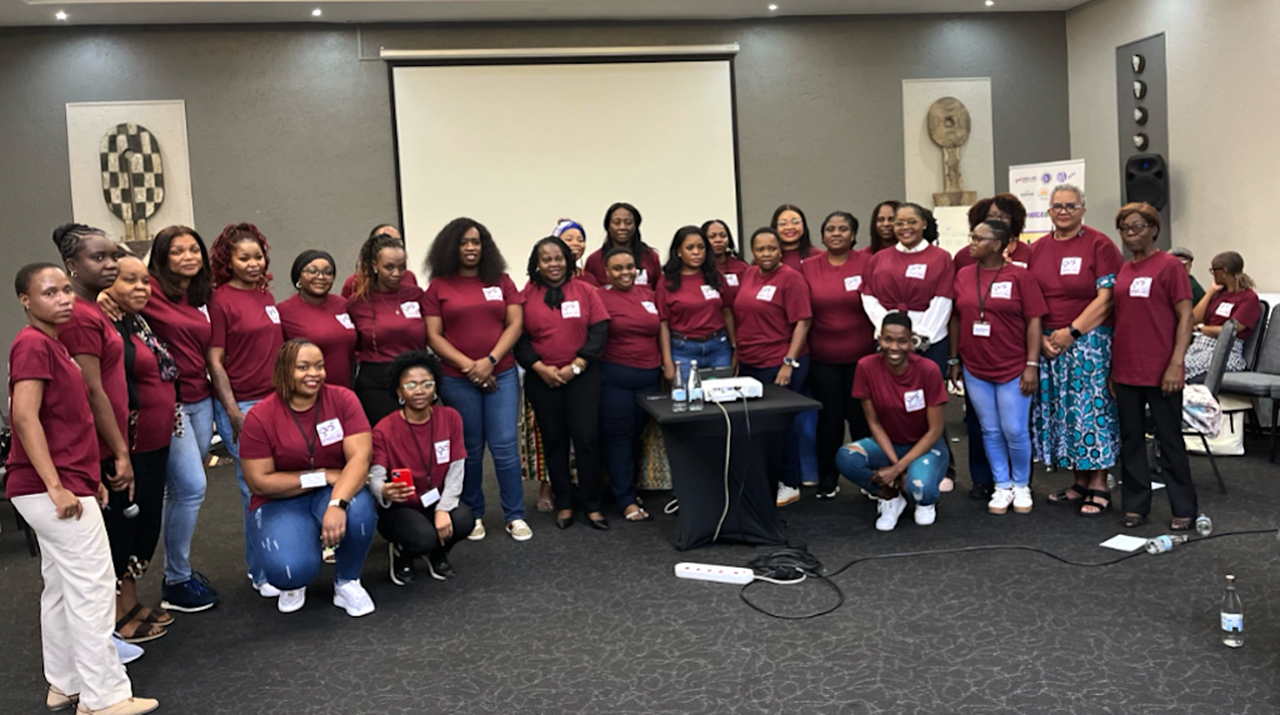
The Southern Africa Gender Protocol Alliance is a network of networks comprising 16 country focal networks, thematic clusters, and a regional secretariat hosted by Gender Links. The Alliance brings together civil society organisations, activists, and networks to coordinate advocacy, strengthen accountability, and advance gender equality commitments across the region.
The Alliance operates through thematic clusters and country networks. Cluster leads coordinate regional thematic work, while country focal organisations mobilise national engagement. The Secretariat supports coordination, convening, and knowledge production.
The Alliance works with young people across all thematic areas, with young leaders serving as co-leads within clusters and contributing to regional advocacy processes.
The Alliance is chaired by Emma Kalia (Malawi) together with Alice Mavuso (Eswatini), who provide strategic leadership and guidance to the network.
Why this work matters

Gender inequality remains a pervasive challenge in Southern Africa, limiting opportunities for women and marginalised groups. The Southern Africa Gender Protocol Alliance plays a transformative role in advancing gender equality across the SADC region by:
- Using its unified advocacy framework to amplify voices at grassroots level
- Bridging the gap between policy and practice to align national gender policies with the SADC Protocol on Gender and Development, ensuring that governments are held accountable and that gender equality is not just aspirational but actionable
- Fostering collaboration among governments, NGOs and communities
- Pushing forward in the face of the backlash against women’s rights
- Monitoring and evaluation through the Southern Africa Gender and Development Index to measure country performance and benchmark progress, as well as through the annual barometer that tracks progress towards gender equality, providing empirical data and case studies that highlight successes and gaps
- Working with governments to cost the implementation of gender policies, making them financially viable and sustainable
- Convening learning and sharing summits to showcase the Protocol@Work. These summits document real-life examples of how the protocol is being implemented, inspiring replication and innovation
Key achievements of the Southern Africa Gender Protocol Alliance
- Demanding accountability: mobilising for the signing and ratification of the SADC Protocol on Gender and Development, the only sub-regional instrument of its kind that brings together all existing commitments to gender equality in one instrument, with 28 time-bound targets
- Coalition building and strengthening civil society: galvanising the women’s movement through national focal networks, theme clusters and interest groups; representing the gender sector in the SADC congress of NGOs and mainstreaming gender in the work of this regional lobby network
- Advocacy and awareness raising through the distribution of multimedia IEC (information, education, and communication) materials in 23 local languages, village workshops, radio spots, a DVD and interactive engagements in all SADC countries. The impact is measured through a knowledge quiz available on the website
- Implementation: the alliance has conducted pioneering research on aligning national gender policies and action plans with the targets of the SADC Gender Protocol and costing implementation at a national level. The alliance is working with the SADC Gender Unit on a roadmap for implementing the protocol agreed upon by gender ministers in 2011
- Monitoring and evaluation through the monthly Roadmap to Equality newsletter; the annual Southern Africa Gender Protocol Barometer that tracks implementation of 28 targets; and several case studies of the Protocol@work.


